Pachinko
Pachinko in Tokyo and Osaka: Bright Motion, Constant Change, Endless Energy
The Basic Idea Behind Pachinko
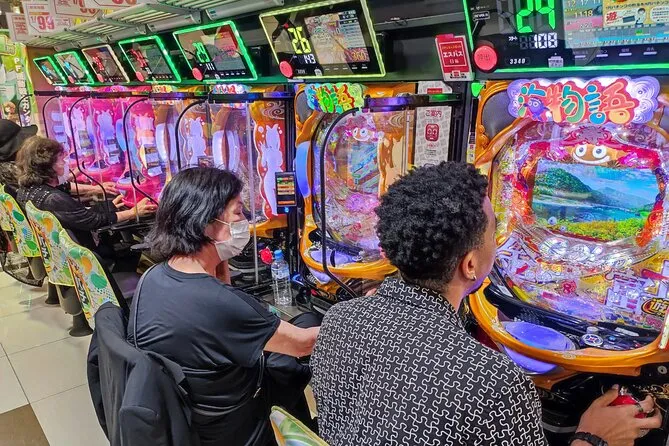
Pachinko takes place on a tall, upright machine where small steel balls travel downward through a tight field filled with precisely arranged pins. The main goal is simple to grasp: guide the balls so they reach special zones that can unlock bonus balls or open extra chances to gain rewards. Even though the rules are easy, the process itself always feels active and engaging.
Why Each Round Feels Unique
What separates pachinko from ordinary arcade-style play is the balance between visible movement and unexpected outcomes. You can clearly follow every ball as it moves, yet the final result can still surprise you. This mix keeps attention high from start to finish and makes every session feel lively, dynamic, and far from repetitive.
How a Standard Session Unfolds
A typical round begins by sending metal balls into a vertical board filled from top to bottom with pins. As the balls fall, they bounce, shift direction, and move in ways that are impossible to fully predict. Watching this steady motion is satisfying on its own, but the real excitement arrives when balls reach winning areas that trigger bonuses, such as extra balls or reward credits.
Improvement Comes With Time
Chance always plays a role, but experience can make a difference. Many players slowly learn small techniques, like adjusting launch strength or timing, to slightly influence how the balls travel. Since every machine feels different and each pin layout behaves in its own way, this learning process gives a sense of involvement and progress that grows with continued play.
Prizes, Bonuses, and Added Value
Strong runs allow players to collect more balls or earn reward items that can be saved and used later. These rewards can then be exchanged for various prizes, adding another layer of interest to the visit. Because of this structure, pachinko feels more goal-driven than a quick pastime, offering reasons to stay engaged and come back again.
Built With Precision and Care
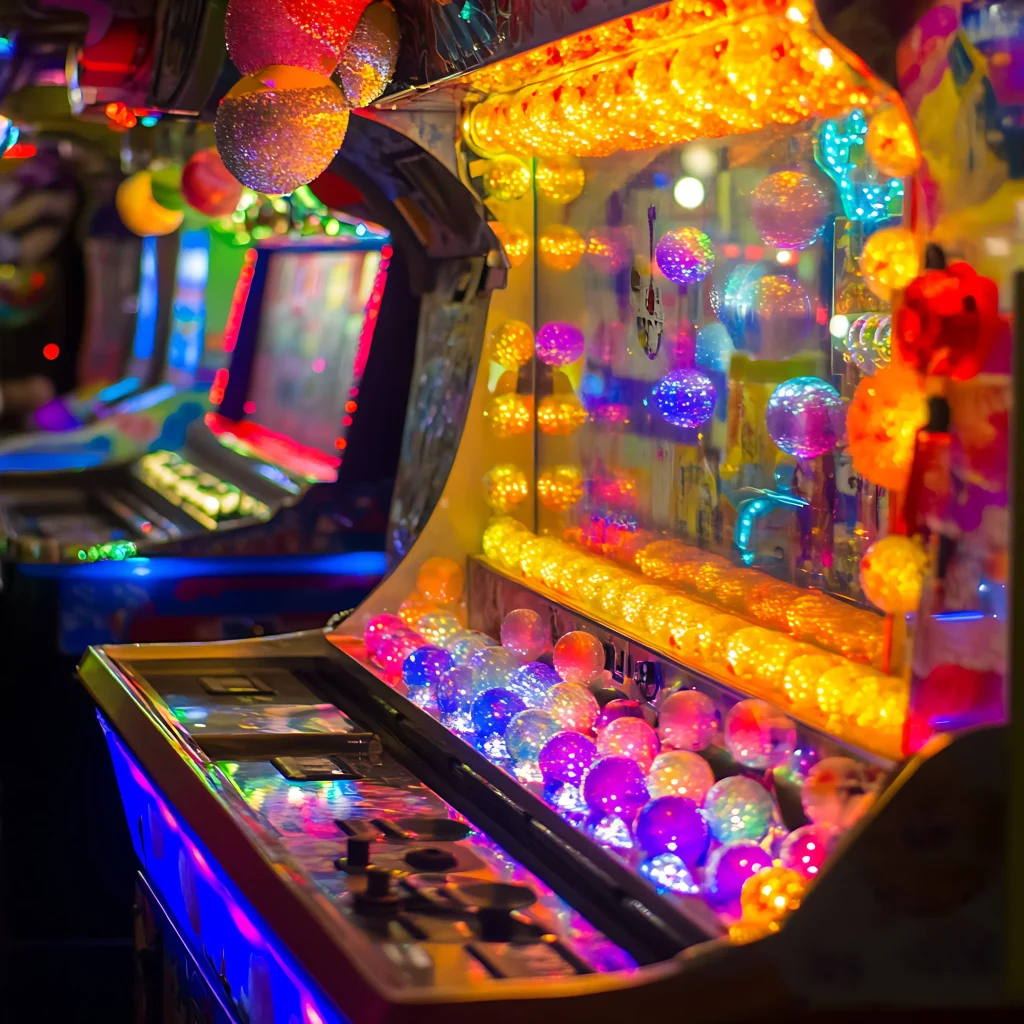
Each pachinko machine is carefully designed with a huge number of pins placed in exact positions. These pins control the path of the balls, blending basic physical movement with sharp, unpredictable changes. Since no outcome is ever fully certain, every round remains interesting to watch and different from the last.
A Shared Space Full of Energy
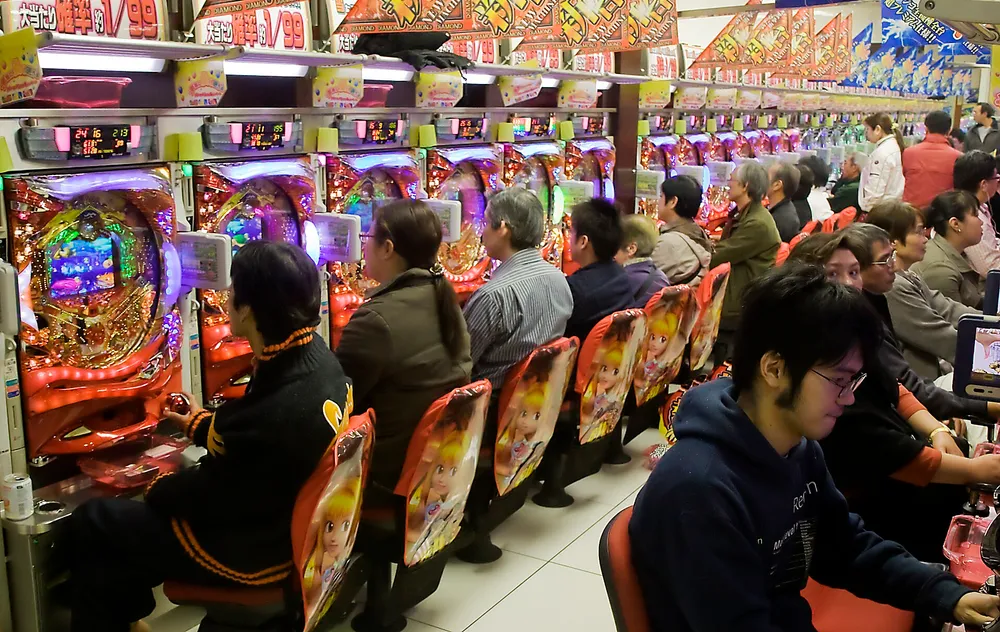
Pachinko halls are not only about individual play. They often feel like active environments where people observe nearby machines, exchange small reactions, and share the same atmosphere. This shared experience adds a social layer that can turn a simple visit into something more lively and memorable.
Rewards That Keep Interest High
The prize structure adds real motivation. Good results lead to tangible rewards that can be exchanged later, creating a clear link between effort and outcome. This system keeps visitors involved and makes each successful moment feel more meaningful.
More Than Entertainment
Over time, pachinko developed its own character and style. What started as a simple concept grew into a form of entertainment centered on relaxation, light challenge, and shared enjoyment, rather than direct competition between players.
The Early Roots of Pachinko
The story of pachinko began many decades ago, inspired by early pin-based games that were later reshaped to better suit changing tastes. In its earliest form, the machines were basic and mainly focused on short bursts of fun rather than long sessions or complex features.
Growth Into a Deeper Experience
As years passed, pachinko steadily evolved. Machines became more refined, pin layouts more complex, and new mechanical and electronic elements were introduced. This gradual development turned a simple activity into a richer and more polished experience that invited longer play.
Pachinko in Tokyo and Osaka: The Modern Hall Era
As entertainment spaces expanded and technology advanced, pachinko halls grew larger and more visually impressive. Improved machine design and a stronger focus on atmosphere shaped the modern style seen today, creating spaces that feel immersive, energetic, and designed for extended enjoyment.
A Hands-On Experience That Feels Nothing Like a Regular Arcade
At first, pachinko might seem like a simple arcade-style activity, but once you try it, it feels completely different from most games. Instead of relying only on screens and fast button taps, pachinko uses real steel balls that fall with gravity, bounce through a tight maze of pins, and react to mechanical parts that shape the final outcome. Because everything is physical and always moving, each round feels smooth, active, and never exactly the same as the last one.
You are not just pressing a button and waiting for an animation to finish — you control the launch, follow the entire path of the balls, and watch the machine respond right in front of you. This creates a special kind of excitement where the fun comes from motion, timing, and the unique design of each machine.
The Simple Mechanics Behind Every Round
Pachinko is built around real movement, not only bright digital visuals. You load the machine with steel balls, and they travel downward through a narrow space filled with many pins. Since the path can never be guided perfectly, every round develops in its own way and stays interesting from start to finish. The clever mix of pin patterns and moving parts keeps the action steady, while still changing often enough to feel fresh.
How Pachinko Shifted Into Today’s Modern Style
Modern pachinko machines feel much more advanced than earlier versions. Many of the machines used today include stronger electronic elements, more vivid screens, and updated reward features that make each session feel faster, brighter, and more intense.
At the same time, the core foundation has not disappeared — steel balls, detailed pin layouts, and the familiar upright machine design are still at the heart of the game. New themes, animated scenes, and deeper reward systems are added on top of the classic structure, allowing pachinko to grow with technology while keeping the main idea that made it exciting from the beginning.
Cultural Viewpoints
★★★★★
“Pachinko combines smart mechanical design with enjoyable gameplay in a way that feels polished and never gets boring.”
Media Writer
★★★★★
“The flowing motion of the balls and the shared mood inside the hall make pachinko feel more social than a typical arcade.”
Game Analyst
★★★★★
“After learning the basics, it becomes clear why people enjoy the mix of luck, small control, and relaxed competition.”
Content Reviewer
Pachinko in Tokyo and Osaka: Simple Fun With a Bigger System Behind It
Pachinko follows a clear step-by-step rhythm where what happens during play connects directly to a wider system working in the background. The balls you win can be traded for special tokens at certain counters, and those tokens can later be used to exchange for items or to continue playing. This simple but layered reward process adds extra meaning to each session and helps the whole setup stay active and engaging.
This structure also supports many connected roles and businesses, from building machines to managing venues every day. Everything is arranged in a way that keeps both players and the people working behind the scenes involved for the long run.
From a social point of view, pachinko halls often feel like shared spaces where people with different daily routines can spend time together in one place. These venues encourage small interactions, repeat visits, and a familiar atmosphere that feels like more than just lines of machines. Over time, this can form small communities built on regular habits and shared moments.
Pachinko’s influence reaches beyond entertainment alone. It supports production, sales, and service work, while also bringing long-term stability to the industry. Even today, pachinko remains a balanced system that mixes engaging gameplay with a smart structure, helping it stay active, steady, and meaningful.